- Marketing automation means automated, conditional workflows, not just email sends
- The system uses if/then logic to segment, score and respond to lead behaviour
- Automation does not replace people: it frees up time for the work that needs a human touch
- Results come from a sharp strategy, not from the tool alone
To many people, marketing automation sounds like something only large companies with large budgets can take on. That is a misconception. At its core, it is about automating repetitive marketing tasks so you can deliver the right message to the right lead at the right time, without someone doing it by hand every time.
“Automation is the turbocharger for lead generation.”
Three misconceptions that hold companies back
- Automation is not reserved for large enterprise organisations: it scales down to most B2B companies
- It is about more than email marketing: social media and advertising can be automated too
- It does not replace people or sales work. It complements them and frees up time for what needs a personal touch
A fourth point is worth mentioning: results do not appear instantly just because the tool has been set up. Automation needs a well-thought-out process and a clear strategy behind it: the technology is the engine, but the strategy is the steering wheel.
How it works in concrete terms
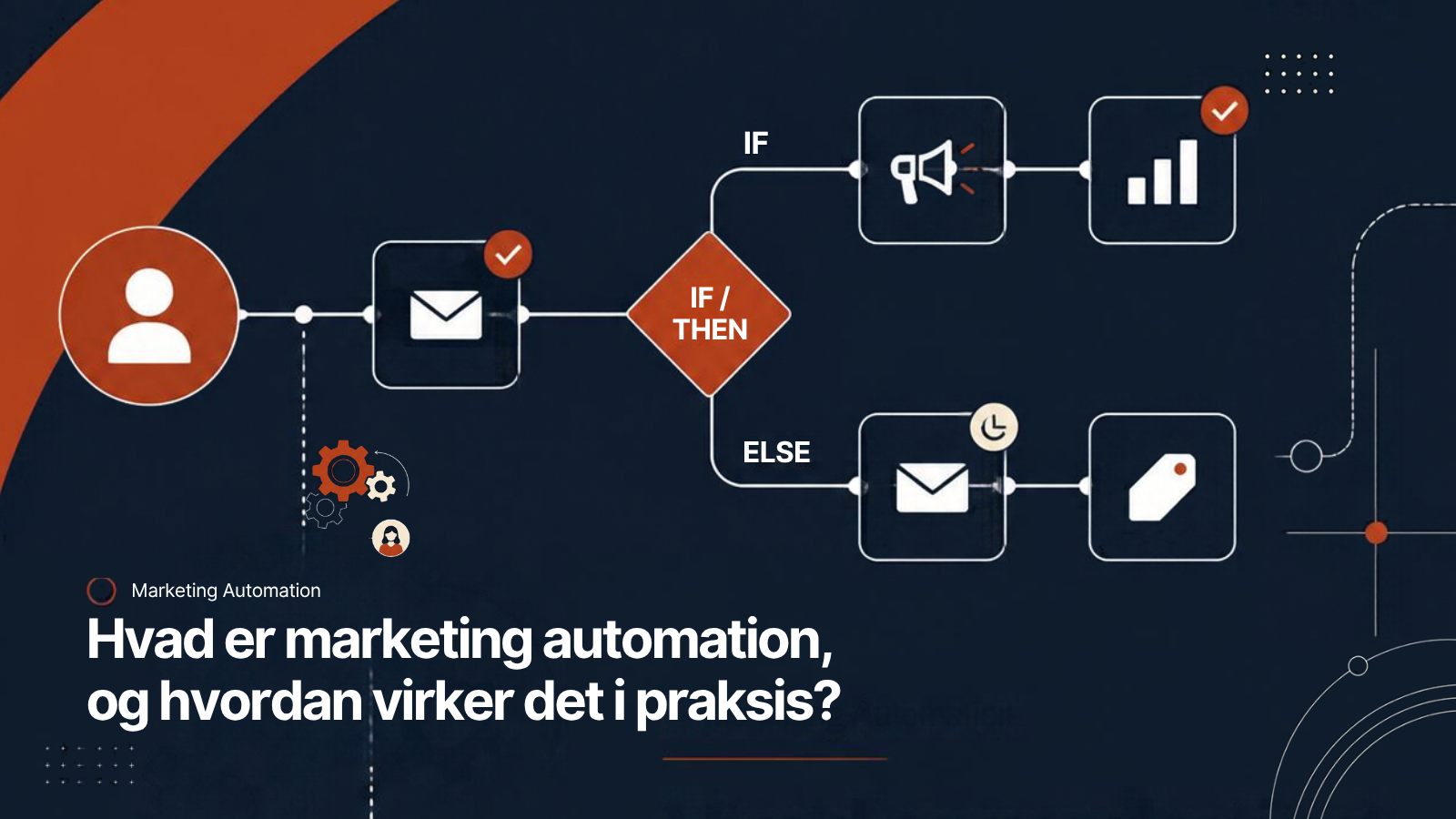
These systems run on conditional workflows: if/then logic. If a lead visits your pricing page twice in one week, they are given a higher lead score and a salesperson is notified automatically. If a lead downloads a whitepaper, a follow-up email series with relevant content is triggered. That way leads are continuously segmented and prioritised, without anyone having to keep track of it manually.
The key benefits
- Sharper lead scoring and segmentation of your database
- Higher conversion rates, because the content hits the mark more precisely
- Better alignment between marketing and sales
- Better data for understanding what actually works
- More time freed up for the tasks that need a human
If you want to get started with marketing automation, the best place to begin is not the tool itself. It is mapping your current customer journey and identifying where there are genuinely repetitive, predictable tasks that can be automated without compromising the personal contact.
Read about Marketing Automation